What Makes a Story Work in the AITA-Style Format?

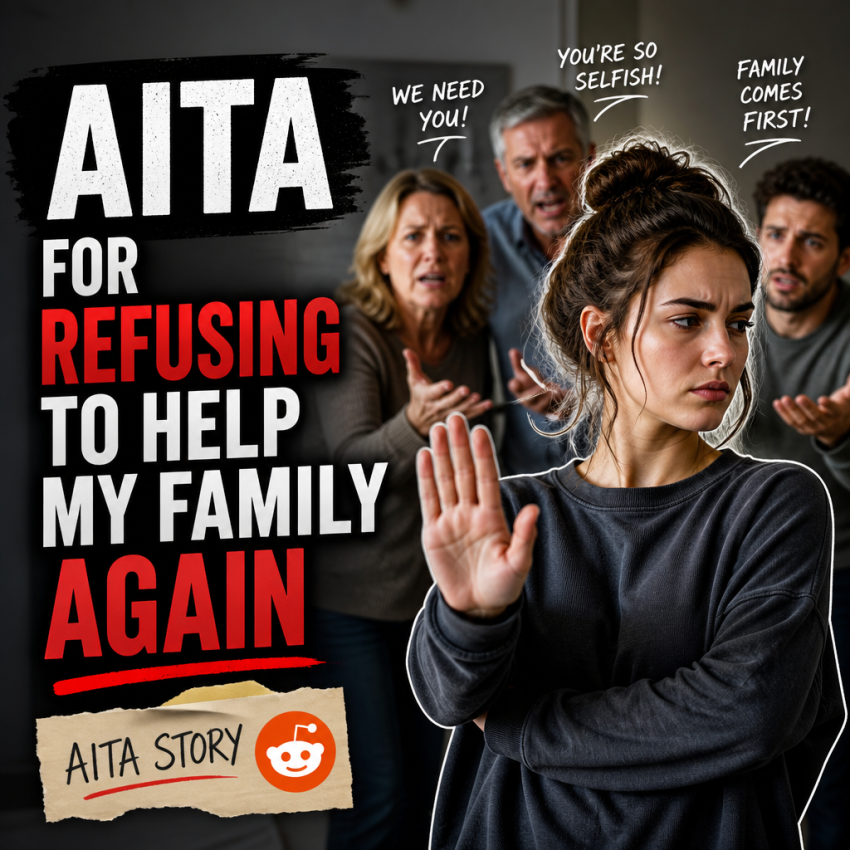
The AITA format has become one of the internet’s most recognizable storytelling structures. It is simple, direct, and built around conflict: one person describes a situation, asks whether they are “the asshole,” and invites readers to judge. Even when the details vary, the structure stays powerful because it taps into something universal—our desire to understand right, wrong, fairness, and social boundaries.
A story in this format works best when it does more than report an argument. It creates a clear emotional situation, shows the stakes, and gives readers enough context to form an opinion. When done well, it feels less like a dry explanation and more like a real-life ethical puzzle.
Why the Format Is So Effective
The AITA-style setup is effective because it immediately establishes tension. Readers do not need long introductions or background exposition. They know what kind of question is being asked, and they know their role: to evaluate the actions described.
That simple formula gives the story a few major strengths:
- Immediate conflict: The reader knows from the first line that something went wrong.
- Built-in curiosity: People want to know what happened and whether the narrator was justified.
- Moral complexity: The best stories are rarely black and white, which makes discussion more engaging.
- Personal perspective: The narrator’s viewpoint shapes the story, so readers must read critically and compare perspectives.
This format works especially well online because it mirrors how people talk in real life: not in essays, but in emotionally charged summaries of events.
The Core Ingredients of a Strong Story
A compelling AITA-style story usually contains the same essential ingredients. If one is missing, the story often feels flat or confusing.
1. A Clear Conflict
Every strong story needs an event that causes disagreement. It might be a family argument, a workplace issue, a relationship misunderstanding, or a conflict with a friend or neighbor. The exact setting matters less than the clarity of the dispute.
For example:
- A person refuses to lend money to a relative who has a history of not paying people back.
- Someone skips a friend’s wedding after being repeatedly ignored and disrespected.
- A roommate changes the household rules because they feel taken advantage of.
The conflict should be easy to identify. If readers have to search too hard to understand what went wrong, they may lose interest.
2. A Reasonable Level of Detail
Too little detail makes the story vague. Too much detail buries the central issue. The best stories offer just enough information for readers to understand the setting, the relationships, and the key decision.
Useful details often include:
- Who was involved
- What the narrator did
- What caused the argument
- How the other person reacted
- Why the narrator thinks their behavior might be questionable
Details should support the conflict, not distract from it. A good rule is: if a fact does not help explain the dispute, it probably does not need to be included.
3. A Questionable Choice
The “AITA” style works because the narrator’s behavior is not obviously right or wrong. If the answer is too easy, readers will not feel engaged.
The strongest stories usually involve a decision that could reasonably be defended, but also challenged. That tension is what drives the discussion.
Examples of this include:
- Setting a boundary that hurts someone else’s feelings
- Telling the truth in a way that causes embarrassment
- Refusing a favor that others consider “the decent thing” to do
- Responding firmly after repeated disrespect
The story becomes interesting when readers can see both sides.
4. A Human Reaction
The narrator’s emotional response is often just as important as the event itself. Readers want to know not only what happened, but how it felt and why it mattered.
A believable reaction might include:
- Frustration after being ignored
- Guilt after saying something blunt
- Relief after finally speaking up
- Confusion about whether a boundary was unfair
This emotional layer helps the story feel real. It also gives readers a chance to interpret the narrator’s motives and tone.
What Readers Look for in the Narrative
People reading these stories are not only judging the action itself. They are also reading for subtle clues about character, relationships, and hidden assumptions.
Reliability of the Narrator
Since the story is told from one person’s point of view, readers naturally ask whether the narrator is leaving anything out. A strong narrative does not need to be perfectly neutral, but it should feel honest. If the story feels manipulated, readers may become skeptical.
Signs of a reliable narrator include:
- Admitting when they may have overreacted
- Acknowledging the other person’s point of view
- Including inconvenient details
- Describing both the good and bad parts of the situation
A narrator who sounds too polished or too one-sided can weaken the story’s credibility.
The Balance Between Emotion and Facts
Readers appreciate emotion, but they also want facts. A story that is only emotional can feel biased. A story that is only factual can feel cold. The most engaging narratives balance both.
For example, instead of saying, “My sister was horrible and ruined everything,” a stronger version would explain what happened, why it hurt, and what specific actions led to the conflict.
That balance helps readers evaluate the situation fairly.
The Role of Escalation
Many memorable stories include a moment where a small disagreement becomes a bigger issue. The escalation is often what makes the post compelling.
Some common escalation points include:
- Someone refuses to apologize
- A private disagreement becomes public
- A boundary is ignored repeatedly
- Another person escalates with insults, guilt, or retaliation
Escalation matters because it changes the stakes. What begins as a minor disagreement becomes a relationship-defining moment.
Common Story Patterns That Work Well
While no two stories are identical, many of the best ones follow familiar patterns that readers instantly recognize.
Boundary Setting
This is one of the strongest story frameworks. The narrator draws a line, and another person reacts badly.
Examples:
- Declining repeated requests for money
- Refusing to host a guest who has been disrespectful
- Cutting off late-night calls from a friend who never reciprocates support
These stories work because boundaries are relatable. Most readers have had to defend their own limits at some point.
Family Tension
Family stories are especially effective because family obligations make conflict feel more complicated. People often feel torn between fairness and loyalty.
Typical examples:
- One sibling is expected to sacrifice more than the others
- Parents demand respect while ignoring the narrator’s needs
- Extended family pressures someone to keep the peace
Family dynamics add emotional weight because the conflict is never just about one event; it’s about history.
Workplace or Social Conflict
When the story involves coworkers, neighbors, or social groups, the tension often centers on etiquette and responsibility.
Examples:
- Someone is forced to cover for a coworker who is consistently careless
- A group friend expects one person to do all the planning
- A neighbor complains about something that is technically within the narrator’s rights
These stories work well because they reflect everyday frustrations many readers understand.
Relationship Friction
Romantic relationships create especially strong stories because they mix intimacy, expectations, and vulnerability.
Common examples:
- One partner feels taken for granted
- A disagreement about communication becomes a trust issue
- Someone is upset that their boundaries are treated as negotiable
These stories are compelling because the emotional stakes are personal and immediate.
How to Make the Conflict Feel Real
A good story is not just about what happened, but how the situation unfolds. The small details matter because they shape the reader’s emotional response.
Use Specific Actions
Vague descriptions make it hard for readers to judge. Specific actions create clarity.
Instead of:
- “They were rude to me.”
Try:
- “They interrupted me three times, rolled their eyes, and said I was overreacting.”
That gives readers something concrete to evaluate.
Show the Sequence of Events
Stories are easier to follow when they move in order:
- The relationship context
- The triggering event
- The reaction
- The fallout
- The narrator’s question
This sequence helps readers understand not just the event, but the chain reaction it caused.
Keep the Stakes Meaningful
Not every story needs dramatic tragedy, but there should be a reason the conflict matters. Whether the issue is trust, respect, money, time, or loyalty, the stakes should feel personal.
A story about a misplaced plate is not compelling on its own. A story about someone repeatedly ignoring dietary boundaries and making the narrator feel unsafe is much more interesting because the underlying issue matters.
Why People Keep Coming Back to This Format
Part of the appeal is that the format invites participation. Readers are not passive; they are asked to decide. That makes each story feel like a mini social debate.
The format also offers something emotionally satisfying: a way to test social norms in real time. People read these stories to ask questions like:
- Was this fair?
- Was the narrator too harsh?
- Should the other person have known better?
- Is this a boundary or an overreaction?
- Who started it, and who escalated it?
These are the kinds of questions people deal with in daily life, which is why the format feels so familiar.
Example of a Strong AITA-Style Conflict
Consider a situation where a person agrees to help a sibling move, but only after being told it will take two hours. They show up early, bring supplies, and cancel other plans. Once there, they discover the move includes a large storage unit, heavy furniture, and multiple stops across town. The sibling insists they stay the whole day because “family helps family.”
The narrator eventually leaves after three hours, causing a family argument.
Why does this work?
- The setup is clear
- The narrator made an initial sacrifice
- The sibling misrepresented the task
- The conflict centers on expectations versus boundaries
- Readers can sympathize with both sides
This kind of story is compelling because it contains fairness, frustration, and emotional fallout in a compact narrative.
Common Mistakes That Weaken the Story
Even a strong idea can fail if the execution is weak. Some common problems include:
Overexplaining
If the narrator includes too much background, readers may lose the thread. The story should focus on the relevant conflict, not every life detail.
Leaving Out Key Facts
If readers cannot understand why the issue mattered, they will struggle to judge it. Important context should not be hidden until the last sentence.
Writing Only to Win Sympathy
A story becomes less believable when it sounds like the narrator is trying too hard to look innocent. Readers usually respond better to honesty than to perfection.
No Clear Turning Point
A story needs a moment where something changed. Without that, it can feel like a list of complaints rather than a real narrative.
Conclusion
The best AITA-style stories are not just arguments in paragraph form. They are carefully built conflicts with enough detail, emotion, and ambiguity to make readers think. A clear setup, a meaningful boundary, a believable reaction, and a real sense of escalation are what turn an ordinary incident into a story people want to discuss.
At its core, the format works because it reflects everyday human life: messy, subjective, and full of competing perspectives. When the story is focused and honest, readers can see themselves in it—and that is what keeps the format so engaging.